1. Safety talk
The team explains how to avoid sticks, what to do if someone is exposed and who should stay out of the area.
Carter Lake, IA · Pottawattamie County
A stray needle on Carter Lake property can hurt a child, a pet or a worker. Call (877) 812-4220 to get needle pickup, a thorough sharps sweep and sealed disposal.
If anyone is in danger, call 911 first. For a suicide crisis, call or text 988.
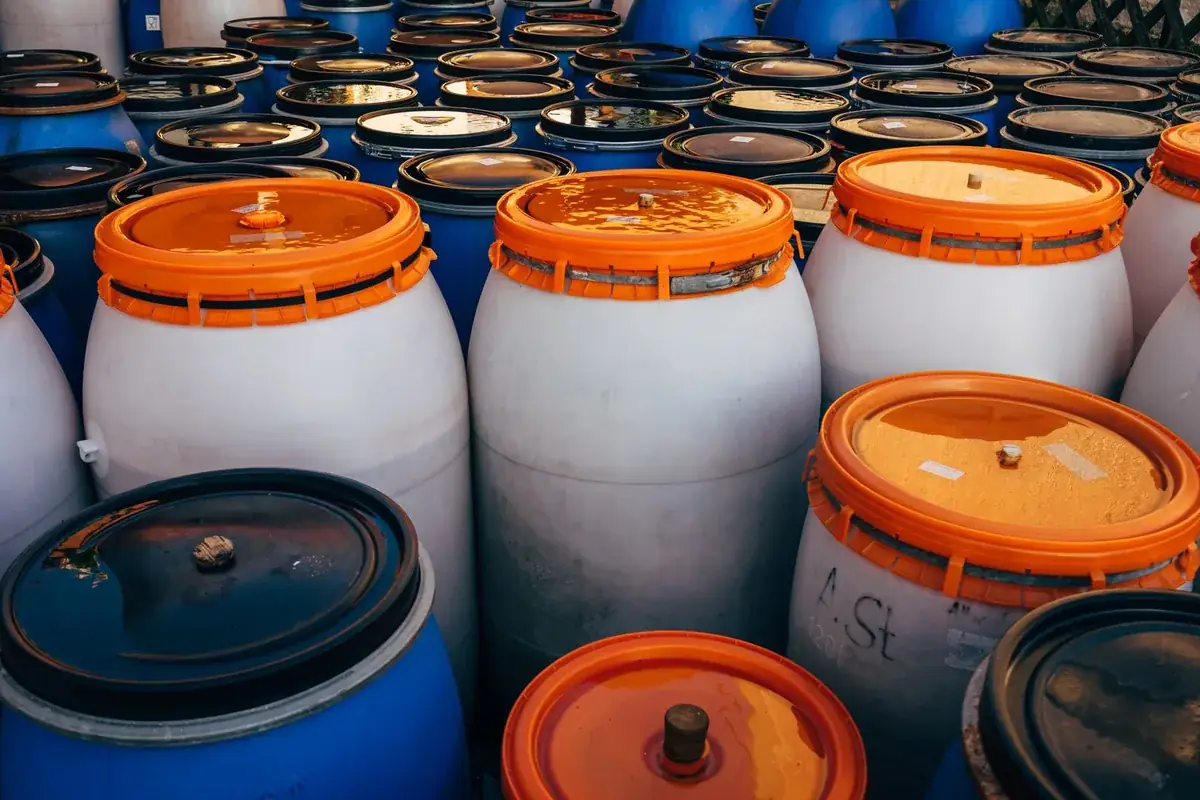
Used needle disposal means placing needles and syringes into rigid containers made to resist punctures, then sending them to a facility that treats medical waste. It keeps workers, children and pets safe.
For sharps jobs of every size in Carter Lake, from one syringe in your yard to a vacant building in Pottawattamie County that needs a thorough sweep, you can get biohazard cleanup crews by calling Carter Lake Biohazard Cleanup Help.
The vacancy rate in Pottawattamie County is only about 6%, so most needle calls come from occupied homes, rentals, yards and businesses. A stick, cut or splash should be checked by a doctor without delay. CHI Health Mercy Council Bluffs in Council Bluffs serves people in and around Carter Lake.
What needle & sharps cleanup covers:
The team explains how to avoid sticks, what to do if someone is exposed and who should stay out of the area.
Cleanup technicians wear puncture-resistant gloves, eye protection and boots for the sweep.
Each needle is picked up with a tool and dropped into a rigid, puncture-resistant container, then sealed.
The area is cleaned, searched a second time and handed back to the owner.
The cost of needle & sharps cleanup in Carter Lake, IA depends on the amount of material, how it is packed and how it is hauled.
Access can raise or lower the price. Locked units, stairs, fences and long travel distances all play a part.
| Type of job | Typical range |
|---|
Published ranges only (); every needle & sharps cleanup job in Carter Lake is priced after an on-site look. Price drivers include number of items, where they are found, whether a sweep of a large area is needed, waste disposal. Questions? Call (877) 812-4220.
A local biohazard cleanup team can search the area and remove needles and other sharps. Some cities and health departments also help with found needles on public land. For a single needle outdoors, the health department is a good first call, and for anything bigger, a cleanup team.
Loose needles should not go in household trash, because they can stab sanitation workers. Rules for small amounts of household sharps vary by city and county. The local health department can say what is allowed, and a cleanup team can take larger amounts.
Lease terms and local law decide. A landlord, an attorney or a tenant rights group can say who is responsible. In many cases the property owner books the sweep first so the unit can be used again, and the cost is sorted out afterward.
The crew cleans and disinfects surfaces where sharps lay, bags soiled items for disposal and checks the area again. If odor or residue is present, the team can address it or suggest the next step.
In many cases the person who calls does not need to be at the property. Ask the team how access and keys can be arranged. Many teams can also arrive in an unmarked vehicle, so ask about that if privacy matters to you.
Do not go in to look. Report it to the owner, the local health department or a cleanup team. A team can sweep the whole building in protective gear, remove the sharps and give the owner a record of the work.
Crews work without judgment and focus on making the space safe again.
Call (877) 812-4220