1. Safety first
The team confirms the vehicle is released, then suits up and secures the area around it.
Carter Lake, IA · Pottawattamie County
After an accident, a crime or a medical emergency in Carter Lake, who cleans the car? Call (877) 812-4220 for vehicle biohazard cleanup, odor treatment and disinfection of every touched surface.
If anyone is in danger, call 911 first. For a suicide crisis, call or text 988.
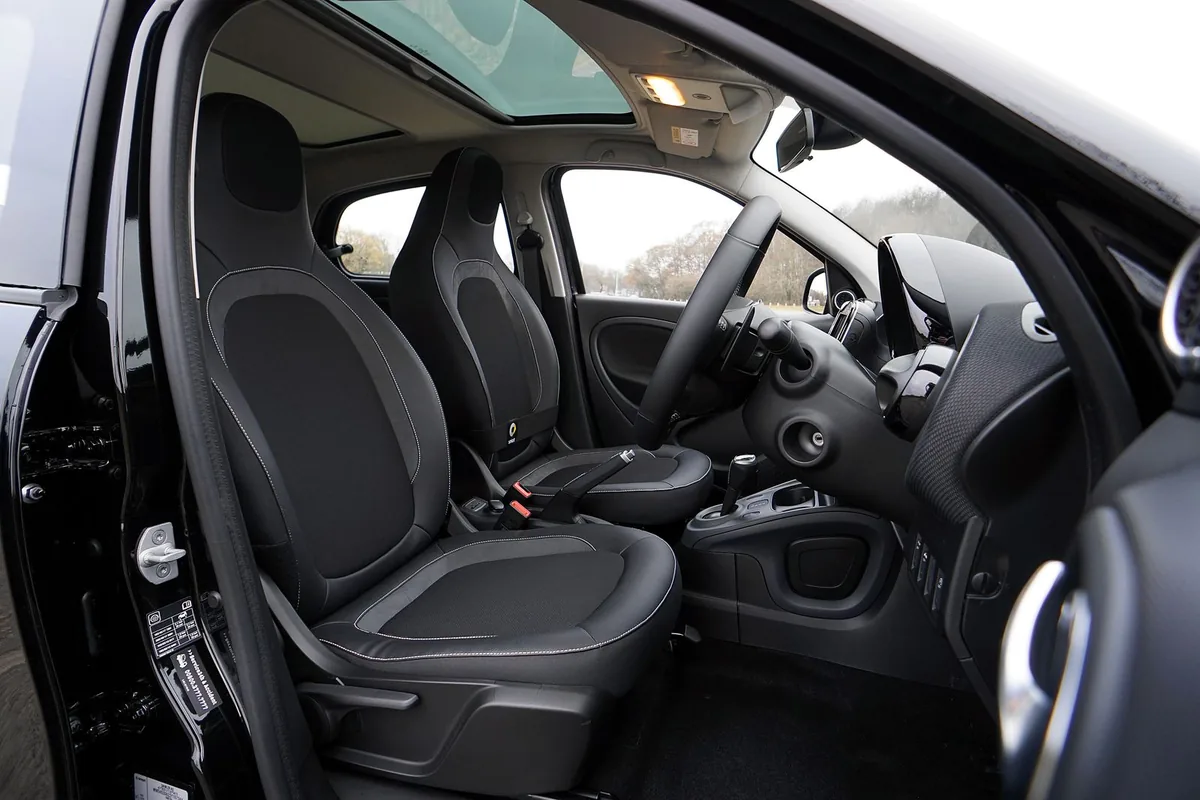
Vehicle biohazard cleanup is the safe removal and disinfection of blood, body fluids and other contaminants from the inside of a car, truck, van or bus. Cleaners treat the fluids as possible carriers of infectious germs.
You can get hazmat car cleaning and disinfection throughout Pottawattamie County, including Carter Lake, by calling Carter Lake Biohazard Cleanup Help. Drivers and owners call when contamination is too deep or too upsetting to deal with alone.
Yearly rainfall in Carter Lake averages about 35 inches, and a wet or leaky cabin can make fluid contamination worse. Dry the interior and call a cleanup team. If you were exposed to blood in a vehicle, CHI Health Mercy Council Bluffs in Council Bluffs is the closest emergency room to ask about testing and next steps.
What vehicle biohazard cleanup covers:
The team confirms the vehicle is released, then suits up and secures the area around it.
Plastic sheeting and careful handling keep contamination from reaching the driveway, garage or lot.
Contaminated materials come out first. The cabin is cleaned and disinfected, and odor is treated at its source.
Lingering smells are treated, the waste is hauled away, and a last inspection confirms the vehicle is ready.
Expect vehicle biohazard cleanup in Carter Lake, IA to cost roughly $500 to $5,000, with the final price set after an on-site assessment.
How long the contamination sat affects the work. Dried and aged fluids, and heat-baked odors, need extra steps to treat safely.
| Type of job | Typical range |
|---|---|
| Vehicle biohazard cleanup | $500 - $5,000 |
Estimates only, not a quote. Sources: BioCleaners Directory. Price drivers include type of interior materials, how serious the event was, time since the event, air system decontamination. Call (877) 812-4220 to talk through the job.
Often, yes. Crews can work in a driveway, garage or lot, depending on space, weather and the extent of the contamination. Some vehicles are moved to an enclosed space to keep the work private and contained.
It usually means the interior was contaminated by blood, body fluids or similar material, and cleaning or repair is needed. Insurers and sellers may use the phrase when a vehicle was exposed to hazardous contamination.
A small spill on a hard surface can be cleaned with gloves, eye protection and an EPA-registered disinfectant. Do not do it with an open cut, and do not use the car until fluids that soaked into fabric are removed. For larger spills, call a cleanup team.
People use both phrases. Most of the time they mean decontaminating a vehicle that holds blood or other body fluids. Chemical spills are a separate hazard, and a cleanup team can say whether it can handle a specific one.
It refers to a vehicle damaged by a biohazard, such as blood or body fluids, or by a chemical spill. Both kinds of contamination call for protective gear and specialized cleaning. A cleanup team can tell which applies after seeing the vehicle.
Ask who can release it before cleanup starts. Cleaners can usually begin once the vehicle is released to the owner or an authorized person. Ask the cleanup company about timing once the vehicle is released.
Call (877) 812-4220 any hour for vehicle biohazard cleanup.
Call (877) 812-4220